
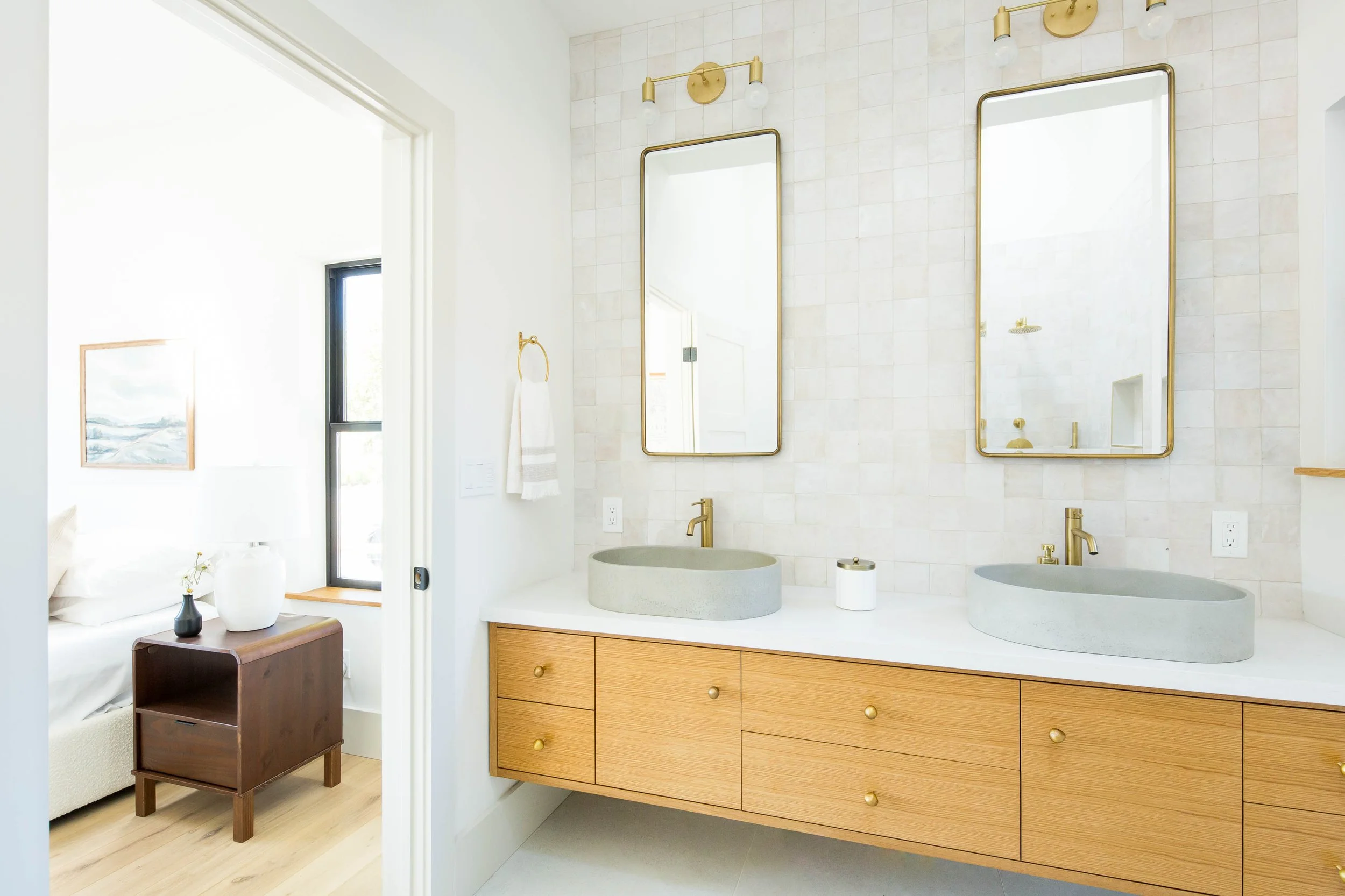
Live Comfortably. Stay Home Longer.
Aging in Place Remodeling in Santa Cruz County
Create a safer, more comfortable home designed to support your changing needs.
Aging in place remodeling involves modifying a home so its occupants can continue living there safely and comfortably as their mobility, balance, vision, strength, or daily routines change.
These renovations may include relatively simple improvements, such as better lighting and additional handrails, or more substantial construction, such as creating a curbless shower, widening doorways, relocating a primary bedroom, or building an accessible addition.
Shaw Built designs and builds bathrooms that help homeowners remain safe, comfortable and independent for years to come. Whether you're planning ahead or adapting a home to changing mobility needs, we create beautiful, functional spaces that combine accessibility with thoughtful design.
ON THIS PAGE:
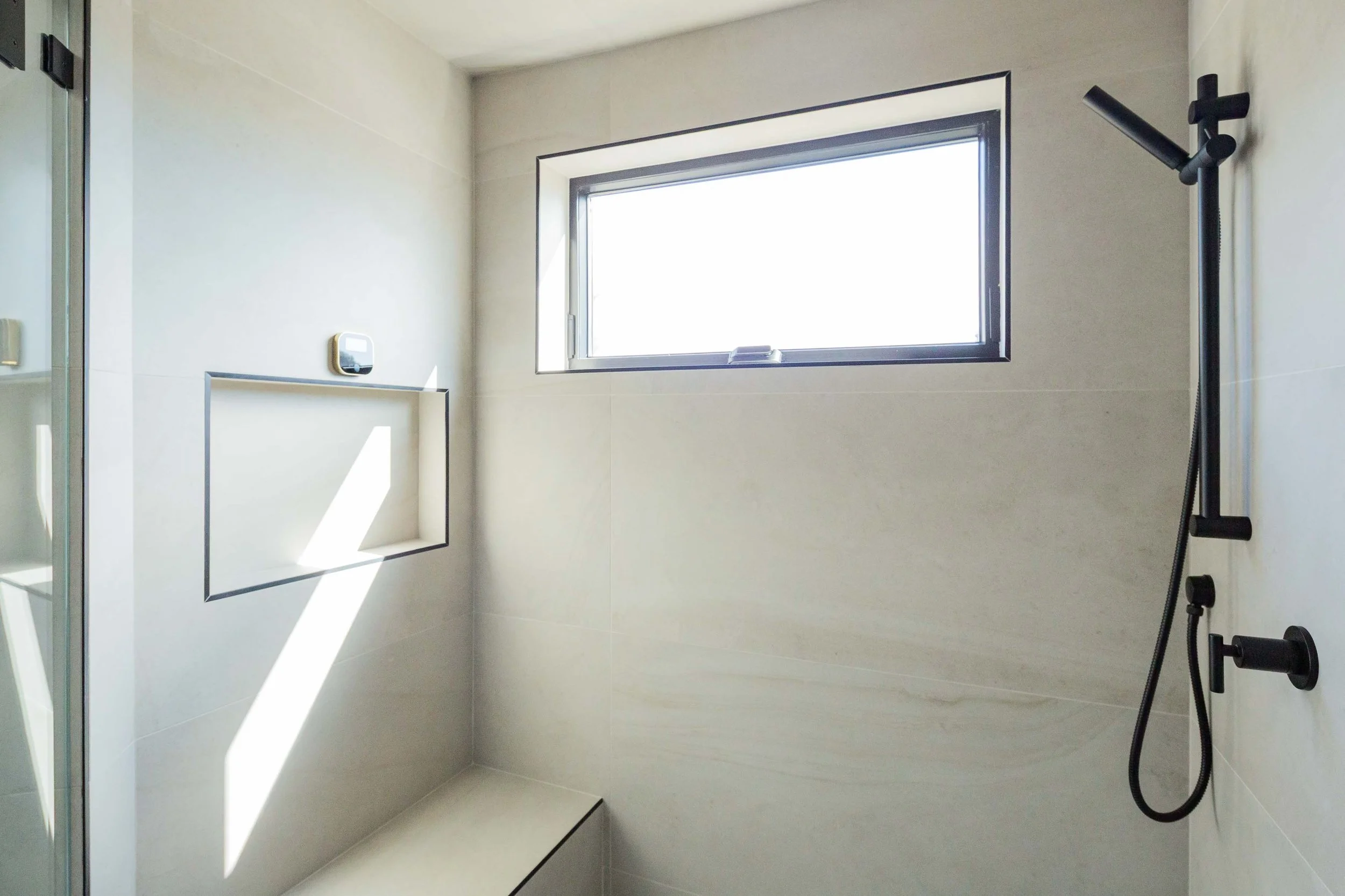
Accessible Bathroom & Home Remodeling
Our aging in place bathroom remodeling services are tailored to improve safety without sacrificing style. Every project is customized to the homeowner's needs and future goals.
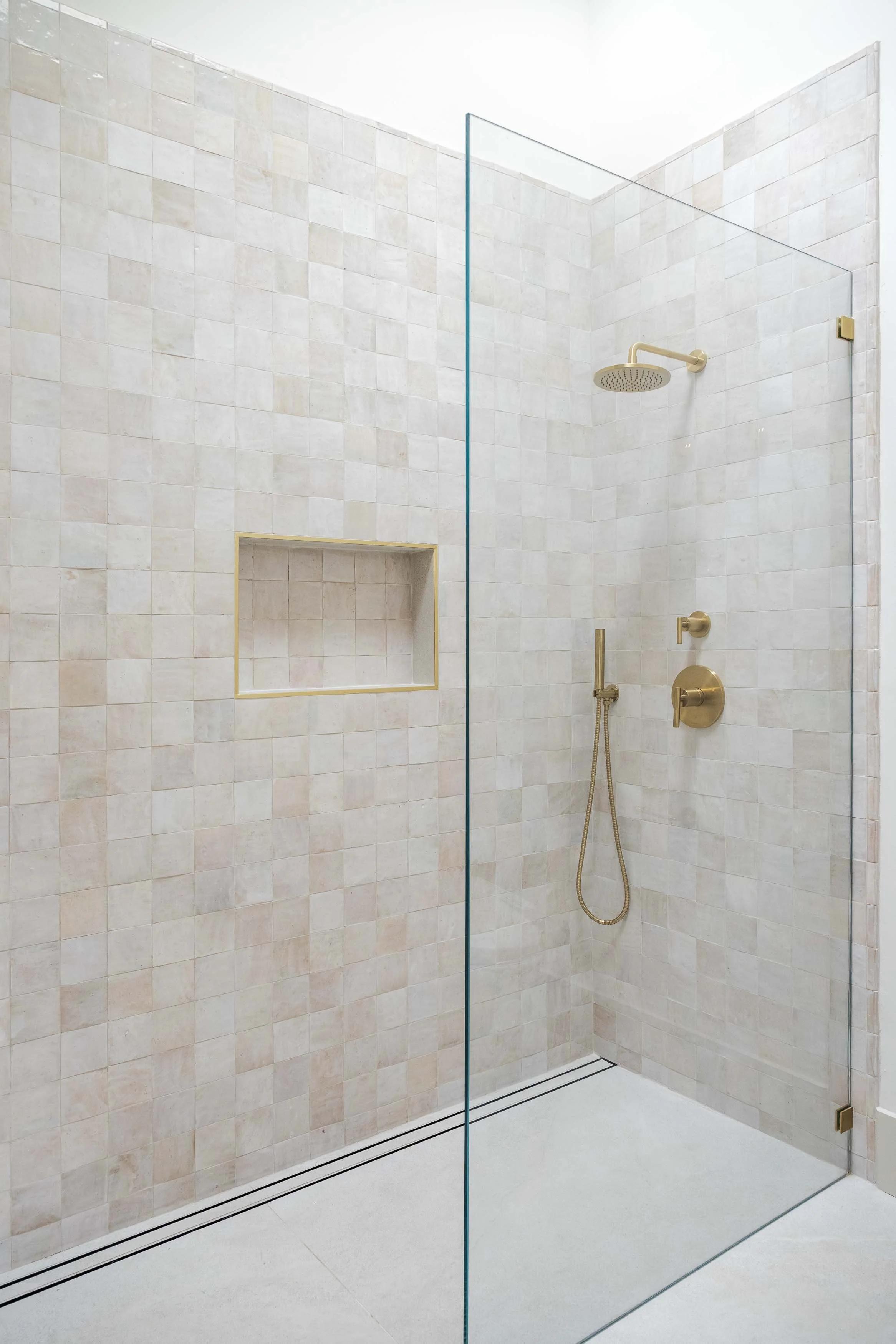
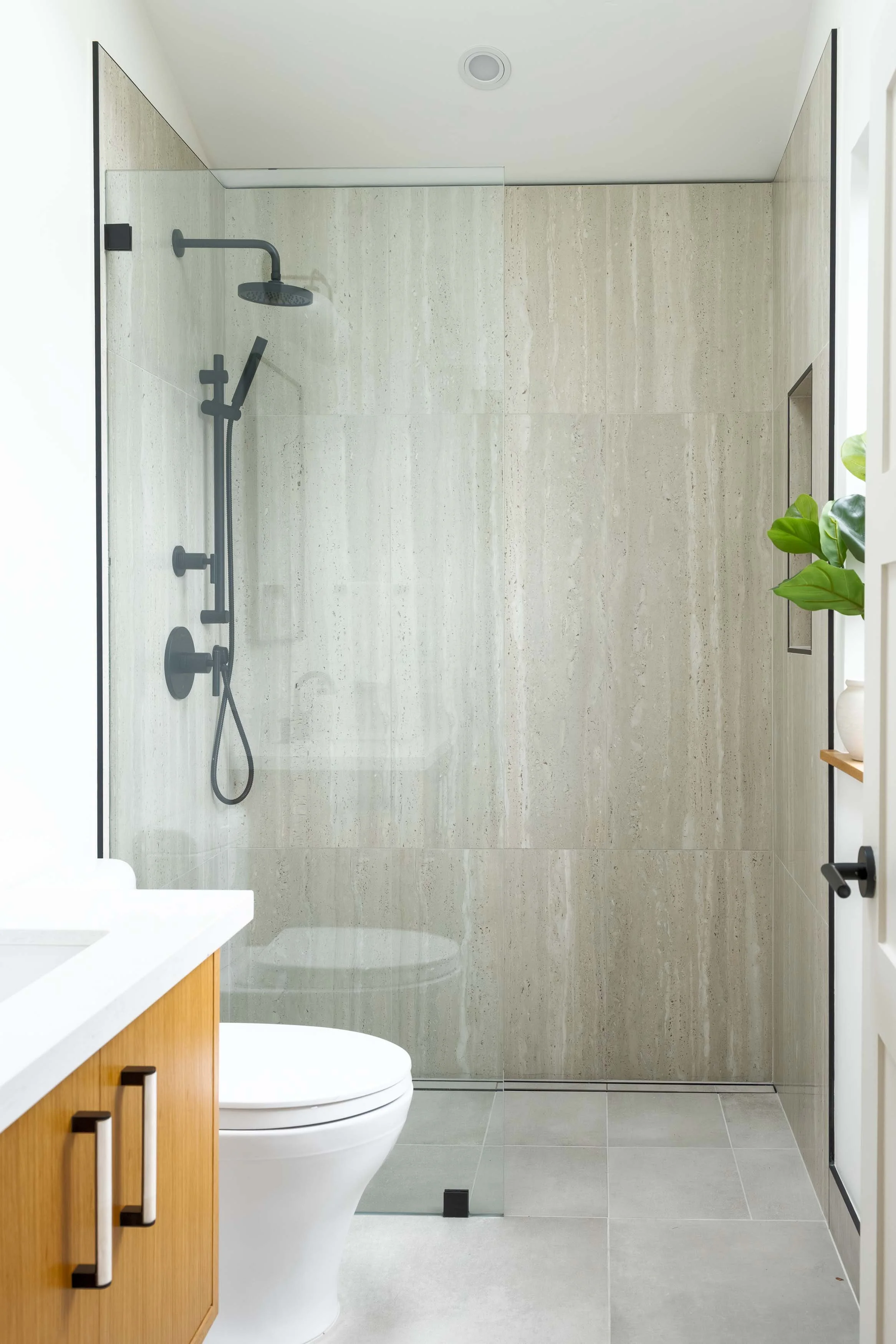
Curbless walk-in showers
Grab bar installation
Comfort-height toilets
Slip-resistant flooring
Wider doorways
Accessible vanity and sink design
Improved lighting
Universal design solutions
Custom bathroom renovations
FREQUENTLY ASKED QUESTIONS
What are the most important aging in place home modifications?
The most valuable improvements depend on the homeowner and the layout of the property. Common priorities include reducing fall hazards, improving bathroom safety, creating a step-free entrance, widening narrow doorways, adding better lighting, and establishing a bedroom and full bathroom on the main floor.
Curbless showers, reinforced walls for grab bars, lever-style handles, non-slip flooring, accessible storage, and improved circulation can also make daily routines easier. A professional assessment can help identify which changes are most important now and which can be planned for a later phase.
How much does aging in place remodeling cost?
The cost depends on the size and complexity of the project. Smaller improvements, such as adding handrails, changing fixtures, or improving lighting, may require a relatively limited investment. A complete accessible bathroom remodel, interior reconfiguration, primary suite addition, or whole-home renovation will involve a larger construction budget.
Structural work, plumbing relocation, electrical upgrades, custom cabinetry, finish selections, architectural plans, and permit requirements can all affect pricing. Shaw Built can evaluate the home, discuss priorities, and develop a project scope based on the homeowner’s needs and available budget.
Can an existing bathroom be converted into an accessible bathroom?
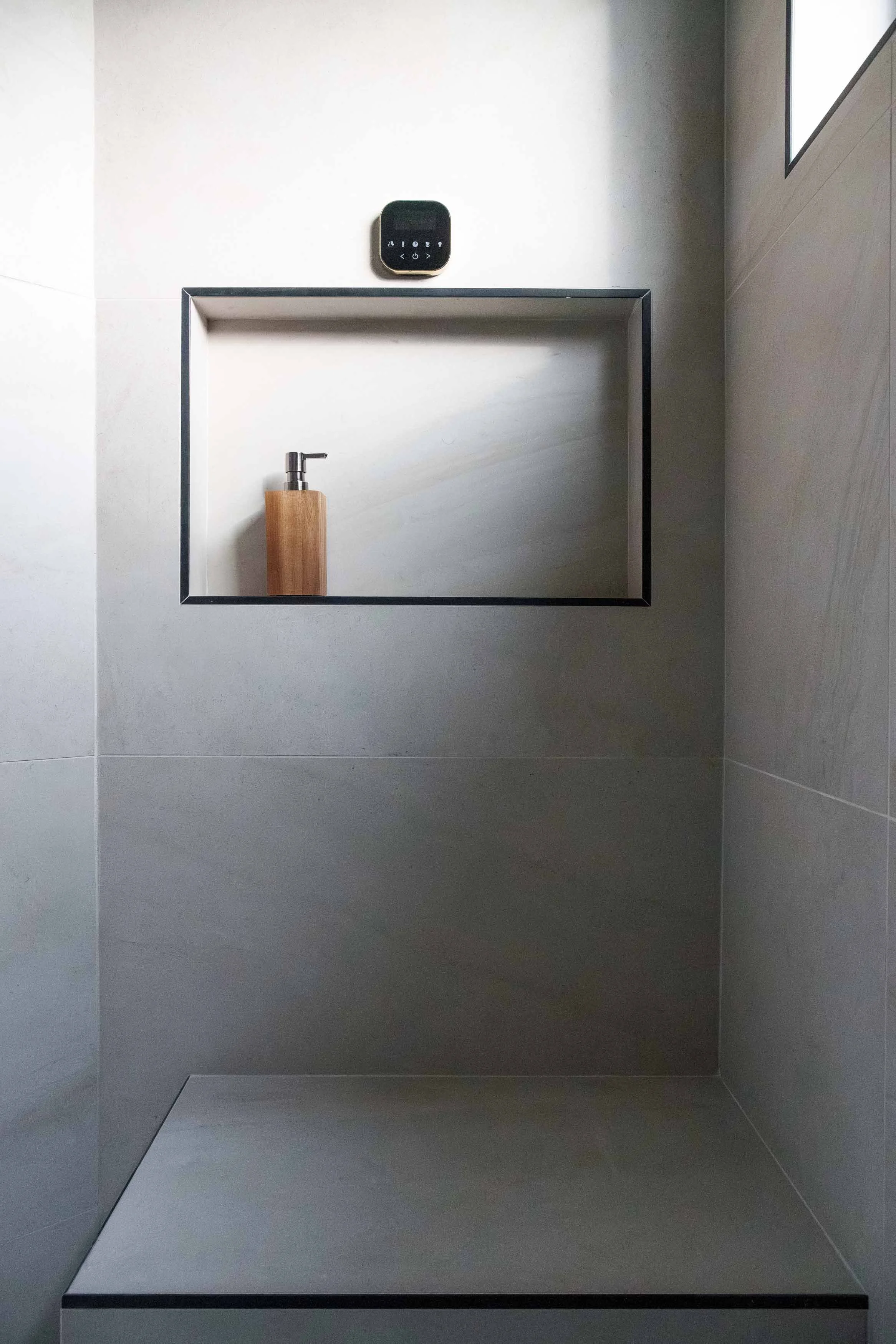
In many cases, yes. An existing bathroom may be remodeled to include a curbless shower, shower bench, handheld fixture, reinforced grab-bar locations, comfort-height toilet, accessible vanity, better lighting, and slip-resistant flooring.
The feasibility will depend on the room’s dimensions, floor structure, plumbing locations, doorway width, and surrounding layout. Some bathrooms can be improved within the existing footprint, while others may benefit from moving a wall, borrowing space from an adjacent room, or creating a larger bathroom as part of a suite renovation or addition.
Do accessibility renovations require permits?
Some home modifications can be completed without extensive permitting, while others require building, plumbing, electrical, mechanical, or structural permits. Widening doors, relocating walls, changing plumbing, adding a bathroom, constructing a ramp, modifying structural framing, or building an addition may require plans and approval from the local building department.
Permit requirements vary by jurisdiction and project scope. Shaw Built can help determine what documentation is needed and coordinate architectural plans, drafting, permit applications, and construction for qualifying projects.
What is the difference between aging in place design and ADA compliance?
Aging in place design focuses on making a private residence safer, easier, and more comfortable for the people who live there. The improvements are customized around their specific mobility, lifestyle, and long-term needs.
ADA standards generally apply to public accommodations, commercial buildings, and certain types of multifamily housing rather than ordinary private homes. However, ADA dimensions and accessibility principles can provide useful guidance for residential remodeling. A home does not necessarily need to look or function like a commercial ADA facility to become significantly more accessible.
Can aging in place improvements be added during a regular remodel?
Yes. A kitchen, bathroom, addition, or whole-home remodel is often an ideal time to incorporate accessibility features.
For example, a bathroom remodel can include wall reinforcement for future grab bars even if they are not installed immediately. A kitchen remodel can add pull-out storage and wider circulation paths. New doors can be framed wider, thresholds can be eliminated, and lighting controls can be placed in more convenient locations.
Integrating these details during a planned renovation is often more efficient than reopening completed walls or replacing new finishes later.
Can you create a first-floor bedroom and bathroom?
Depending on the home, a first-floor bedroom and bathroom may be created by reconfiguring existing space, converting an underused room, renovating a garage, or constructing an addition.
The best solution depends on the existing floor plan, foundation, plumbing access, setbacks, zoning restrictions, and available outdoor space. Shaw Built can evaluate potential layouts and help determine whether an interior conversion, primary suite addition, or larger whole-home renovation offers the best long-term solution.
Will aging in place renovations affect the appearance of my home?
They do not have to. Well-designed accessibility features can blend naturally with the home’s architecture and interior style.
Curbless showers, decorative grab bars, custom cabinetry, improved lighting, wide openings, and step-free transitions can all be designed as attractive features rather than obvious medical modifications. Materials, fixtures, tile, hardware, and finishes can be selected to complement the rest of the home.
The objective is to improve safety and usability while creating a finished space that feels intentional and personal.
Is aging in place remodeling only for seniors?
No. Accessible and universal design can benefit people of all ages.
These improvements may help individuals with injuries, disabilities, limited mobility, chronic conditions, or temporary recovery needs. They can also make a home easier for young children, visiting family members, caregivers, and guests.
Planning for accessibility can increase the flexibility of a home and allow it to support a wider range of needs over time.
Can aging in place renovations be completed in phases?
Yes. Many homeowners choose to complete the work in stages based on urgency, budget, and future plans.
An initial phase might address bathroom safety, lighting, flooring, and entry access. A later phase could include a kitchen renovation, first-floor suite, addition, or more substantial floor-plan changes.
A coordinated long-term plan helps ensure that each phase supports future improvements and avoids construction decisions that may need to be undone later.
Why Choose Shaw Built
Building trust is just as important as building beautiful spaces. Homeowners throughout Santa Cruz County choose Shaw Built because of our commitment to quality craftsmanship, clear communication and thoughtful project execution.
Local Experience
We understand the unique characteristics of homes throughout Santa Cruz County and the challenges that often arise during renovation projects.
Quality Craftsmanship
Attention to detail matters. From waterproofing systems and tile installation to finish work and fixture placement, we focus on creating durable, well executed spaces built to perform for years to come.
Collaborative Process
We work closely with homeowners, designers and trusted trade partners to ensure project goals remain aligned throughout planning and construction.
Clear Communication
Remodeling can be disruptive. We believe homeowners deserve transparency, responsiveness and clear expectations throughout the process.
Built Around Your Needs
Every project is different. Whether you're seeking improved functionality, updated aesthetics, enhanced accessibility, or increased home value, our goal is to create a bathroom that supports the way you live.
Ready to start your Aging in Place project?
Shaw Built provides Aging in Place remodeling services throughout Santa Cruz County, including Santa Cruz, Capitola, Aptos, Soquel, Scotts Valley, Ben Lomond, Felton, Boulder Creek, Watsonville, Live Oak, Pleasure Point, Corralitos and La Selva Beach.